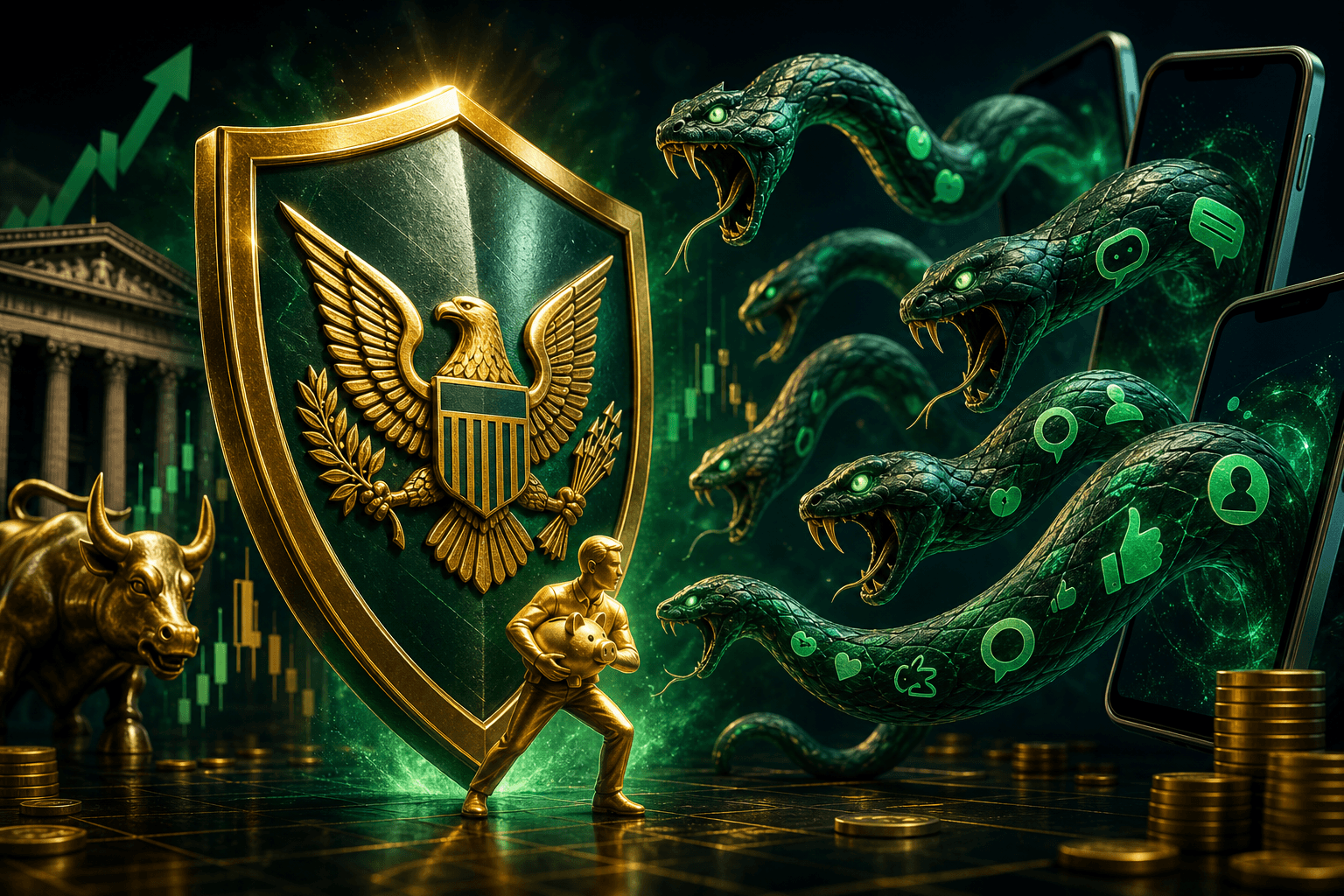
SEC Launches Retail Fraud Strike Team After Meme-Stock Scam Wave
💡 • Verify any new broker or advisor on SEC IAPD before transferring funds. • If you promote finance content, document disclosures—regulators are watching influencers. • Fintech builders: bake fraud reporting and audit trails into MVP, not v3. • Trim micro-cap speculation when enforcement cycles heat up; liquidity vanishes first.
The Securities and Exchange Commission created a Retail Fraud Working Group to target scams aimed at everyday investors—from social media pump schemes to fake trading platforms. Enforcement intensity is rising just as retail participation hits new highs.
Retail investors are back in the market, and so are the predators who follow them. The SEC announced a dedicated Retail Fraud Working Group inside its Division of Enforcement, signaling that protecting non-professional traders is now a top-tier agency priority—not a side project.
The working group model lets the SEC cluster specialists on recurring scam patterns: influencer-led pump-and-dumps, clone broker sites, options advice sold as guaranteed income, and crypto tokens dressed up as regulated securities. Each pattern spreads faster on mobile feeds than legacy enforcement playbooks assumed.
For honest fintech founders, this is opportunity. Compliance-forward platforms can market verified education, transparent fee disclosures, and fraud reporting tools as differentiators while sketchier competitors face subpoenas. RIAs and broker-dealers that invest in KYC and surveillance tech may win institutional trust transfers from apps that cut corners.
Individual investors should internalize the boring rules that actually work: verify registration on SEC.gov, reject guaranteed returns, and treat Discord tips like lottery tickets. Fraud working groups historically precede headline-grabbing cases—meaning enforcement headlines could spike volatility in micro-cap and crypto-adjacent names.
Markets overall benefit long-term from credible enforcement, but short-term sweeps can trigger risk-off moves in speculative corners. Position sizing matters more than picking the next viral ticker.
Based on reporting from SEC.